
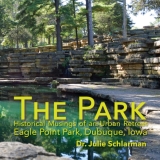
The Park: Historical Musings of an Urban Retreat: Eagle Point Park, Dubuque, Iowa
 polytekton
Subscribe and get exclusive content and bonus scenes, free books, advanced reader copies and more
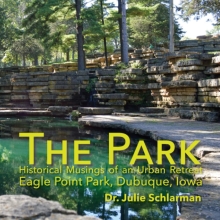
The Park: Historical Musings of an Urban Retreat: Eagle Point Park, Dubuque, Iowa
polytektonSubscribe and get exclusive content and bonus scenes, free books, advanced reader copies and more
About
From the Foreword
Everybody needs beauty as well as bread, places to play in and pray in, where nature may heal and give strength to body and soul alike.
~ John Muir, 1912
We seek refuge at many points in our lives and the natural world is the haven in which solace may be found. A morning walk among the trees, sitting on a bench and gazing at the broad vistas, or dangling feet in the cool water of a prairie stream can heal and refresh a person exhausted by modern life. This is the story of such a place.
Many Dubuquers know it simply as ‘The Park’ as if no other park existed anywhere, since it is as comfortable and familiar as your own neighborhood or backyard. For generations ‘The Park’ has served as the setting for family get-togethers, community celebrations and personal reflection. Going to ‘The Park’ could be expected or exceptional depending on the event. As a retreat on a hot summer day, the wading pool and shady glens were always ten degrees cooler than elsewhere in the city. The annual opening celebration on Mother’s Day with the Order of the Arrow Pancake Breakfast was generally cold and windy and damp! It is a place of memories and a place to make memories – some shared and others deeply personal. This is my story of memories of this place.
Eagle Point Park is a place of outstanding beauty where nature and man have worked harmoniously to please and thrill, enchant and awe. Each generation over the past 100 years has left cherished indicators of their relationship to beauty in ‘The Park’ - those tree lined drives, cozy stone shelters, familiar beds of peonies and sublime panoramas. ‘The Park’ also provides a window into how closely our ideas of home, relaxation, security, inspiration and spiritually are intricately linked to a place. These chapters explore the impact each subsequent generation has had on the activities and design of ‘The Park.’ Additionally, this is my story of ‘The Park’.
From the Introduction
Eagle Point Park is an example of a park which has evolved in design and cultural significance over a century. Throughout these years the functioning of the park changed according to the needs and desires of the community. The history of Eagle Point Park can be explored through three separate and distinct cultural eras, each with its own style of architecture, landscape design, entertainments and social issues. The first chapter will deal with the origins of this large urban park in the City Beautiful Movement and national leaders of that movement directly involved in the park design, Charles Mulford Robinson and Charles Nassau Lowrie. The park’s early history extends from the acquisition of the land for the park in 1909 through the 1920s. The second historical era saw significant changes to the park as part of the Works Progress Administration during the 1930s. The City of Dubuque had received funding to provide improvements to the park which would permit year-round usage and heated shelters. Alfred Caldwell, a student of Jens Jensen and a proponent of the Prairie style of architecture was hired by Dubuque’s park board in 1934, which is the justification for the start of the second period of national significance and will end with the retirement of Wendelin Rettenberger who took over from Caldwell in 1936 and continued until 1952. The third chapter examines the history of the park from 1953 to 1965, which was a time that was primarily concerned with the building of shelters, playgrounds and landscaping. The final chapter is my guided tour of ‘The Park.’