
Your author bio is more than just a blurb at the end of your article or on the back cover of your debut novel. It’s your introduction to readers, your handshake with editors, and one of your most important book marketing tools.
Whether you’re a fiction writer, nonfiction specialist, blogger, screenwriter, or self-published author navigating Amazon, your bio is where readers first decide if they trust you, if they want to read your work, and if they’ll come back for more.
In this guide, you’ll learn how to write a great author bio that’s clear, engaging, and authentic—complete with author bio examples to adapt. We'll also talk about why you need a home for it on your author website, and how crewfiction can make that easier than you think.
A good author bio isn’t just about listing credentials or trying to sound impressive. It’s about building trust, showing personality, and guiding readers to the next step.
Your bio can:
Your bio isn’t limited to your debut novel or Amazon product page either. It shows up on your author website, guest posts, social media, interviews—anywhere you introduce yourself. It’s part of your author brand.
A strong author biography is concise, engaging, and human. Here’s what it should include.
Your Name or Pen Name
Readers need to know who you are. If you use a pen name, be consistent everywhere.
Credentials and Accolades
Show why you’re qualified to write in your genre. Think degrees (like an MFA in creative writing), industry experience, awards, or major publications.
A Personal Touch
Include something real and relatable about your personal life or real-life experiences that inspire your work.
Social Proof
Mention being a bestselling author, self-published success on Amazon, or having your work in well-known outlets.
Call to Action (CTA)
Guide readers to your author website, author page, or newsletter. Invite them to check out your first book or latest book.
Professional Photo (Optional but Recommended)
People connect with faces. A clear, friendly headshot can go a long way.
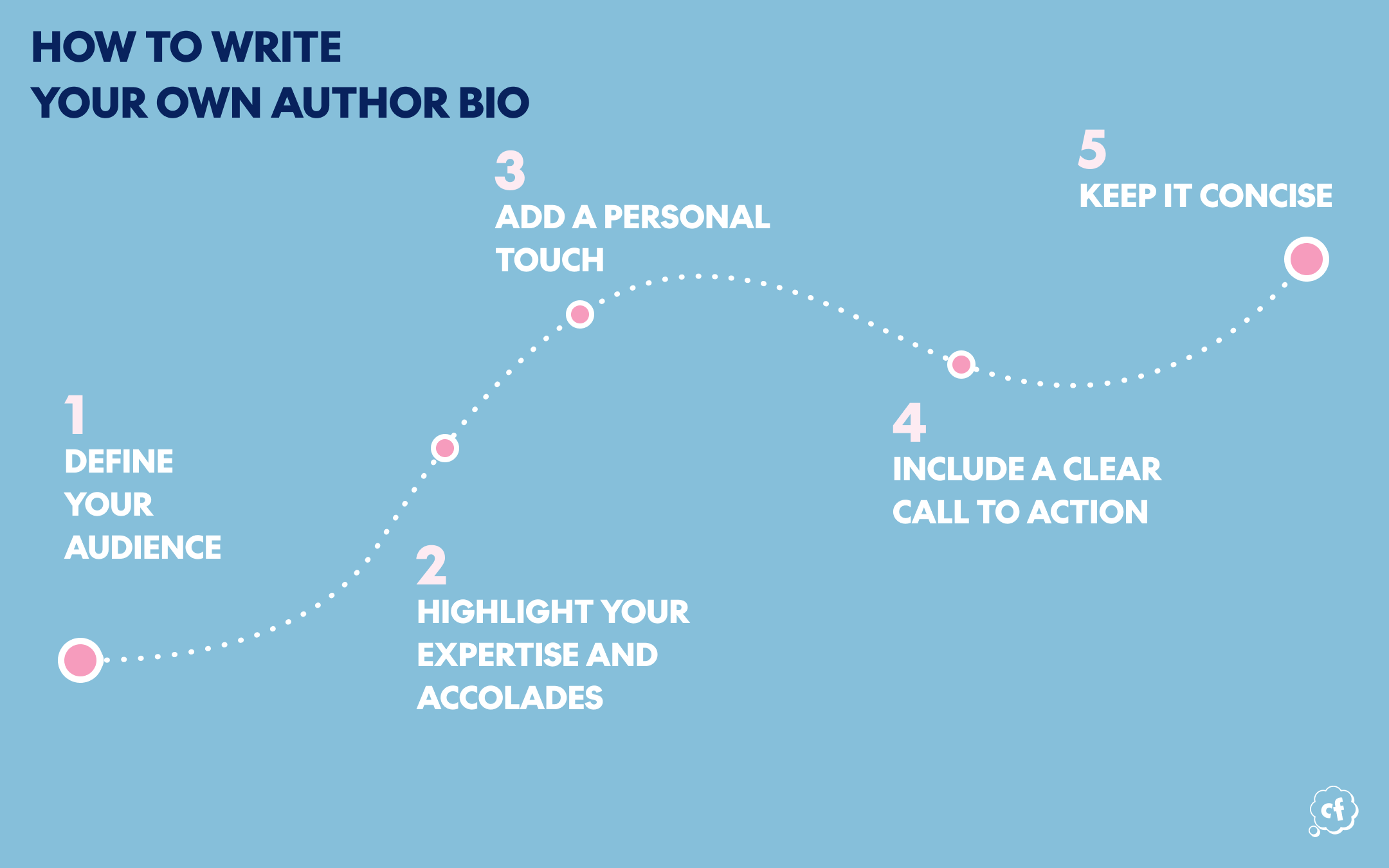
Let’s break it down into a practical, repeatable process.
Who are you talking to? Parents buying your children’s book? Fans of science fiction? Business readers looking for nonfiction expertise?
Knowing your audience shapes your tone, details, and CTA.
Show why you’re credible. This can include:
Example:
Jane Doe holds an MFA in Fiction Writing and is a bestselling author of science fiction novels.
Readers want more than a resume. They want a glimpse of you.
Include real-life details or your personal life:
Example:
When she’s not writing her next children’s book, Jane loves exploring mountain trails with her dog.
Guide readers toward something:
Example:
Visit her author page to learn more or sign up for weekly creative writing tips.
Short bios (50–150 words) are ideal for bylines, Amazon listings, or back covers. On your author website, you can go longer (200–400 words), but stay focused. Every sentence should earn its spot.
Here are a few author bio examples you can adapt.
John Smith is a self-published science fiction writer whose short stories have appeared in top magazines. When he’s not writing, he experiments with 3D printing. Check out his latest book on his author website.
Sarah Johnson is a published author and blogger who specializes in children’s books and creative writing resources for first-time authors. Her Little Explorers series is popular with young readers and parents alike. Sarah holds an MFA and teaches fiction writing workshops. When she’s not writing, she’s gardening with her kids. Visit her author page to learn more.
Michael Lee is a nonfiction writer, entrepreneur, and book marketing consultant with over 15 years of experience helping authors build their author brand. As a full-time writer and coach, he’s worked with bestselling authors to craft compelling author biographies, improve book marketing strategies, and refine their writing style. Michael’s approach balances subject matter expertise with a personal touch that connects. When he’s not coaching or writing, he’s traveling with his family or experimenting with new coffee blends. Learn more on his author website or sign up for his newsletter to get a free bio template.
Your bio can’t do its job if it’s hidden at the bottom of a guest post or lost on social media. You need a professional author website—your central hub for readers to learn about you, discover your work, and stay connected.
Your author website is where you can:
But building a website can be a pain. Themes, plugins, hosting—many writers get stuck before they ever launch.
That’s exactly why we built crewfiction for authors, your book marketing assistant.
It’s designed specifically for writers—fiction authors, bloggers, screenwriters, nonfiction experts—anyone who wants to share their work without drowning in technical details.
With crewfiction, you can:
Your readers want to know you. They want to follow your journey. Don’t let the technical side hold you back.
If you’re ready to set up your author website quickly and confidently, check out crewfiction and see how simple it can be.
Your author bio isn’t just something to fill out. It’s your introduction. Your chance to show readers who you are, why they should care, and what they should do next.
Write it with care. Make it authentic. Add a personal touch.
And don’t let it sit in isolation. Give it a proper home on your own author website—so you can keep growing your audience and building your writing career on your own terms.
If you want to skip the hassle and launch your site with ease, crewfiction is here to help you make it happen.
An author bio (or author biography) is a short piece of writing that introduces you to your readers. It tells them who you are, what you write, and why they should trust you.
You’ll see author bios on book jackets, Amazon product pages, author websites, blog bylines, and guest posts. It usually includes your name (or pen name), accolades, relevant experience or subject matter expertise, a personal touch that humanizes you, and often a call to action directing readers to your author page or latest book.
It’s not just a resume—it’s your chance to connect, build your author brand, and invite readers to learn more about you.
It depends on where you're using it:
The key is to keep it focused and relevant. Don’t cram in every detail—pick the highlights that matter to your readers.
Here’s one of the author bio examples you can adapt to your needs:
Sarah Johnson is a published author and blogger who specializes in children’s books and creative writing resources for first-time authors. Her Little Explorers series is popular with young readers and parents alike. Sarah holds an MFA and teaches fiction writing workshops. When she’s not writing, she’s gardening with her kids. Visit her author page to learn more.
This example works because it:

